Our Farm Products
On our farm, the goal is to provide the highest quality possible. All our animals are raised in small batches, given access to sunshine and green grass, and treated with care. Select an item below to learn more!
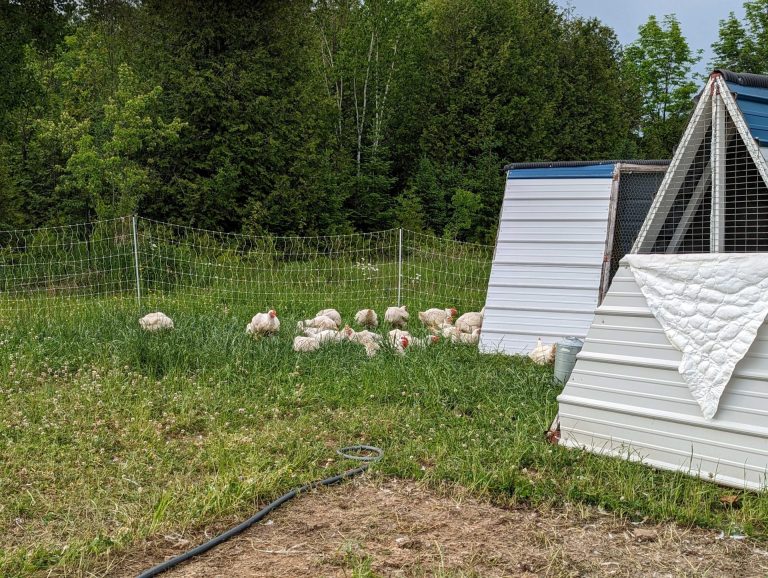
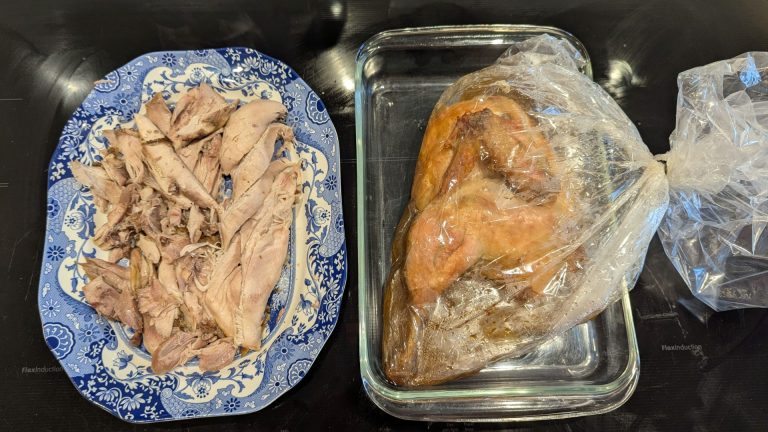
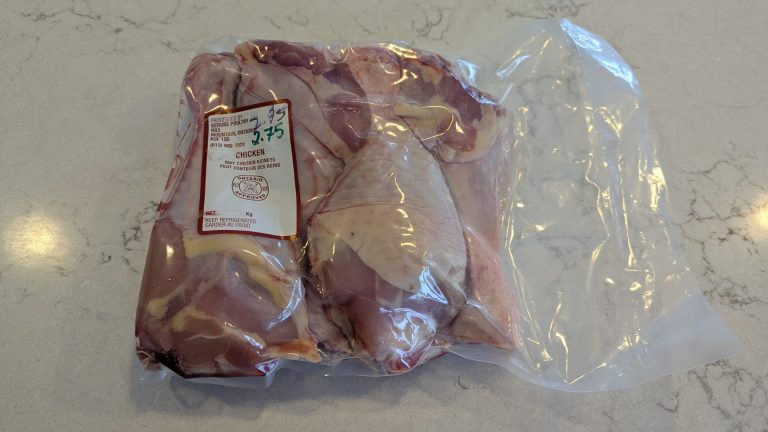
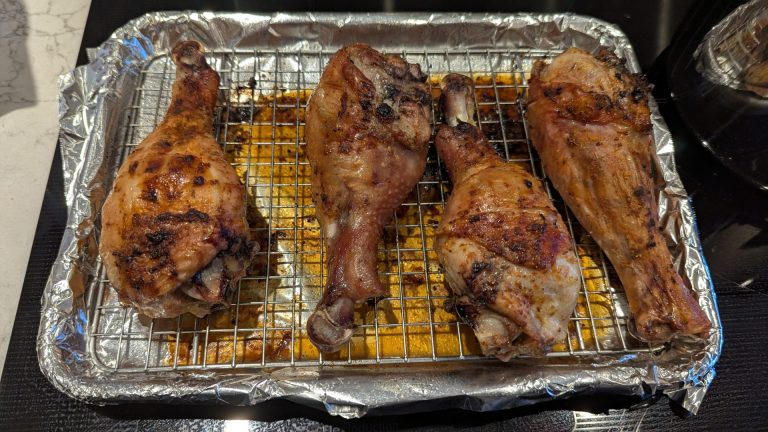
Our pastured White Rock chickens arrive from our breeder in Kitchener-Waterloo as day-old chicks and grow from anywhere between 10 to 12 weeks (depending on the time of year). Our chickens are grown in unique structures called “tractors”, which have no floor. This allows them to have access to grass 24/7. Their ability to roam and their access to pleasant pastures mean the resulting meat is tender, wholesome, and a prime candidate for your next memorable meal!
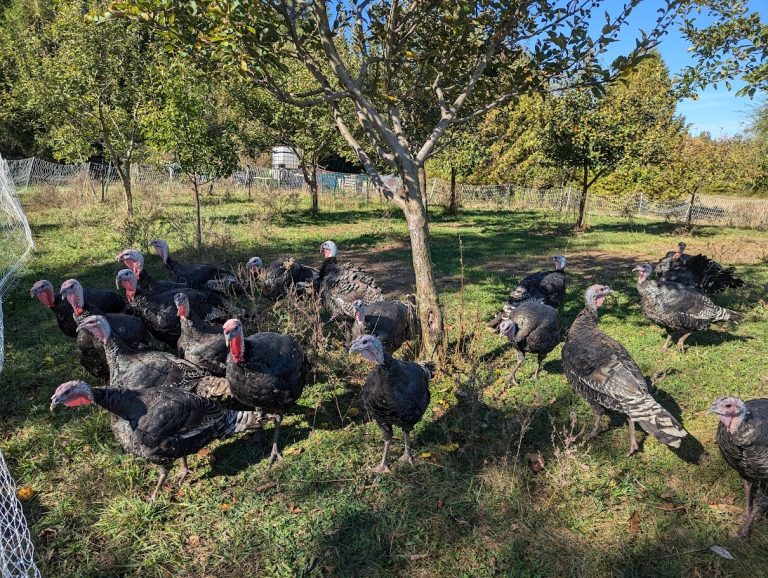
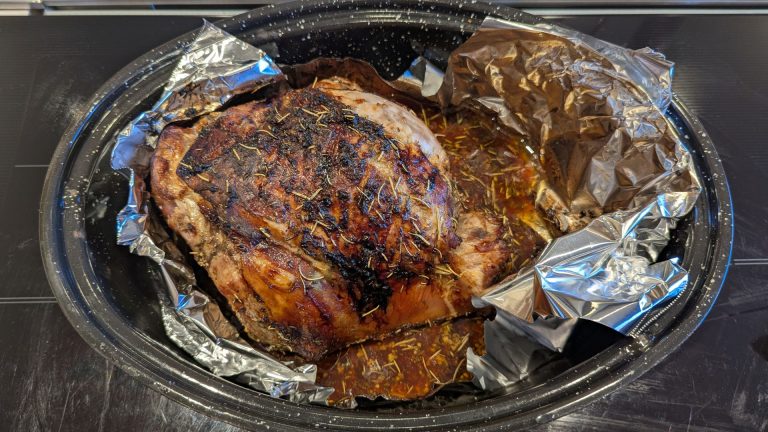
These beautiful Bronze Orlopp turkeys are grown throughout the summer from day-old poults for 14 weeks. During this time, they roam freely throughout our apple orchard, napping in the shade, gorging themselves on fallen apples and green grass. Our turkeys are grown in a unique structure called a “tractor”, which has no floor. This allows them to have access to grass 24/7. We usually have whole turkeys available fresh for Thanksgiving and frozen for Christmas. Because of processing constraints, we can’t offer turkey cuts.
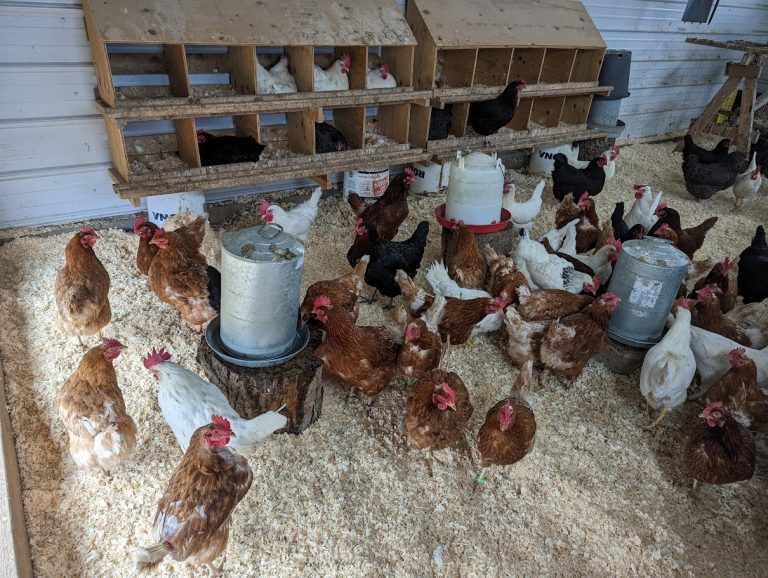
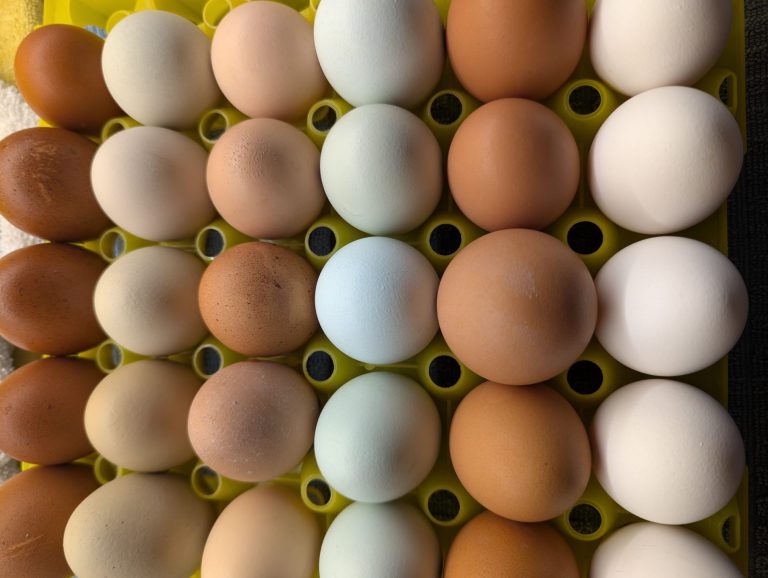
Eggs were the first thing we farmed on this land, and we haven’t quit! Our laying flock consists of a wide set of breeds, hence the rainbow-coloured eggs. Our layers are housed inside over the winter, but spring, summer, and fall they free-range around the farm under the watchful eye of our three livestock guardian dogs. Chickens lay eggs based on the amount of light available, which means we have fewer eggs in winter than summer. As we don’t use artificial lighting to increase egg production, the hens follow their natural cycles.
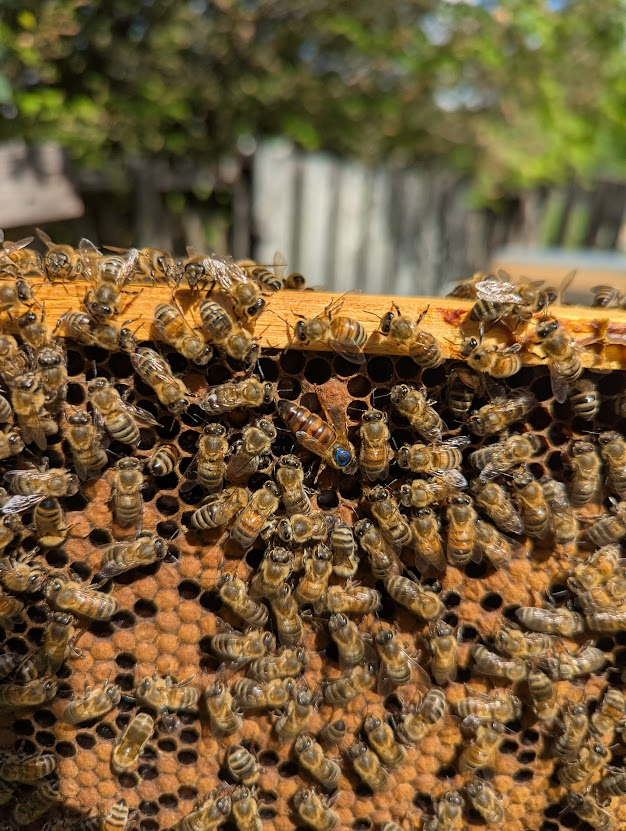
Our honey bees are maintained in a small apiary placed in a bay of cedar trees. Over the course of a year, they forage pollen and nectar from our orchard, hayfield, surrounding wildflowers, and raspberries which multiplies their yield extensively. Our bees are housed in Langstroth hives, which grow with the hive’s size and allow for them to be inspected and cared for from late April to early November. The extra honey they produce is extracted once a year in late August/early September and is available while supplies last.
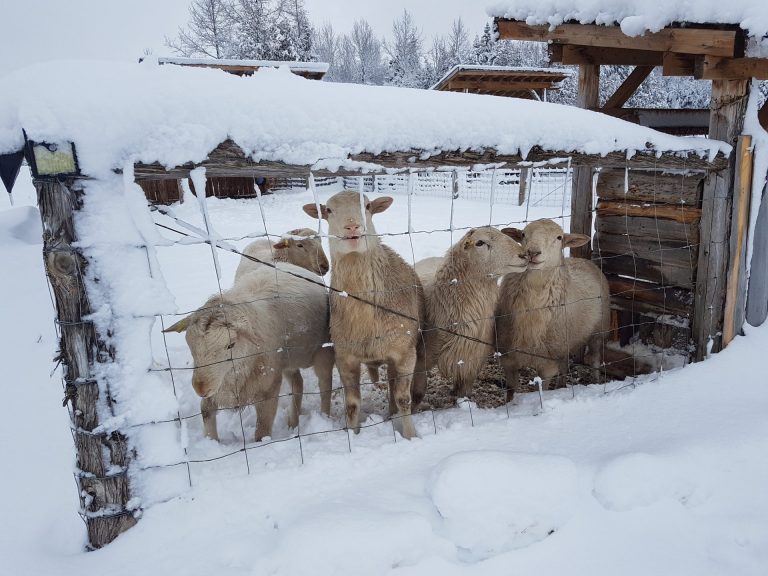
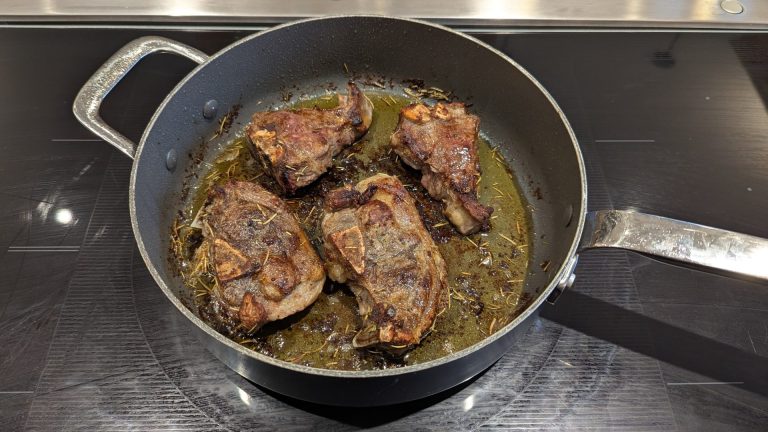
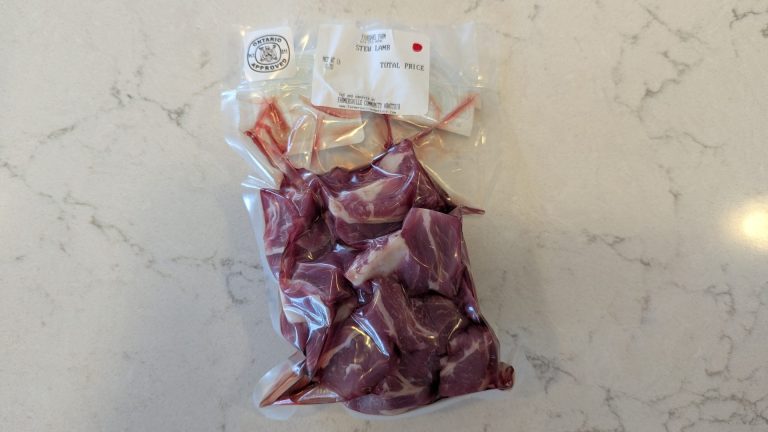
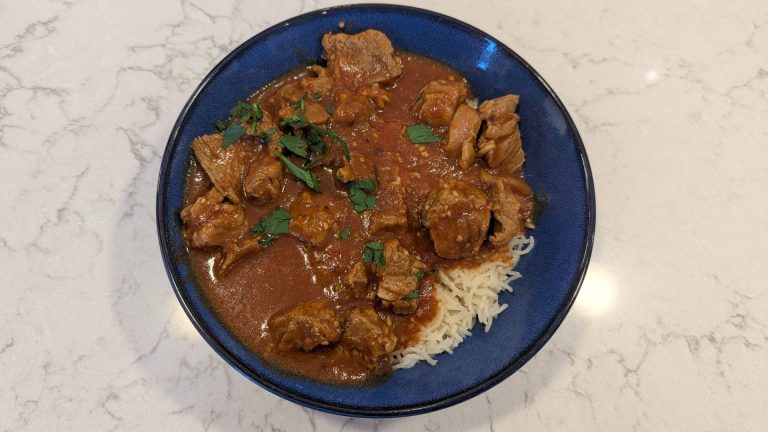
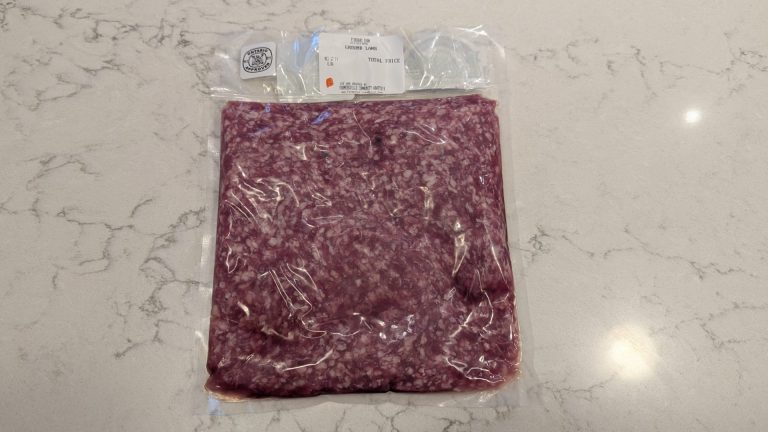
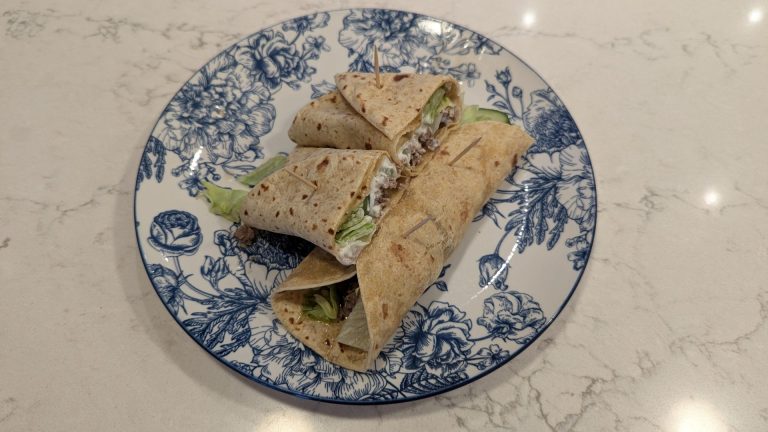
Our Katahdin sheep are a North American breed with a distinctive feature—they have hair instead of wool. This makes them easier to care for because they don’t have to be sheared every year. It also means they don’t produce lanolin, which is a chemical that, as the animal gets older, gives the meat a gamey flavour. We have two rams and eight ewes on the farm that ideally produce 16 lambs a year. If you’re interested in our lamb, you can buy a whole lamb, half-lamb, or quarter-lamb, cut to your custom specifications; or take from our existing selection of frozen lamb cuts.
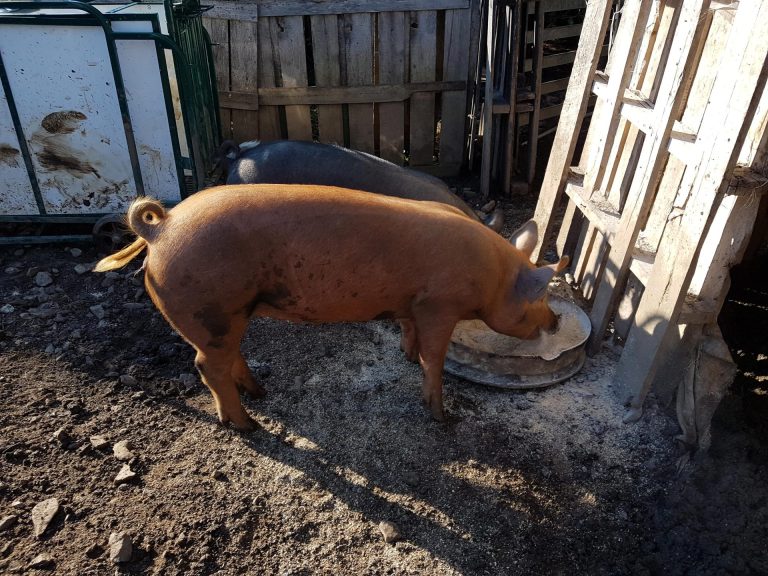
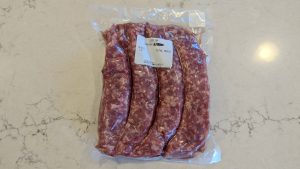
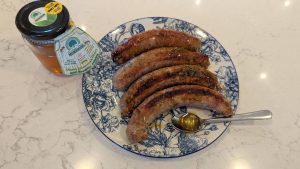
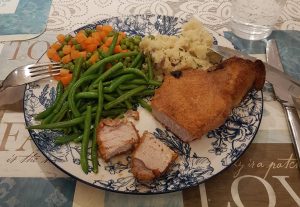
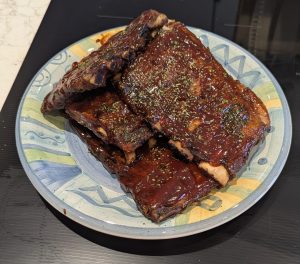
Pigs are amazing to farm! There is no other animal that produces so much meat, in so little time, in such little space. No wonder they were so common in back gardens in wartime England. Speaking of which, our pigs are a cross of two English heritage breeds: Berkshire and Tamworth. They are slow-growing by pig standards, but worth the wait. We usually bring the piglets to our farm in late April or May, at a weight of 20 lbs, and by the end of October they’ve grown to about 250 lbs and are ready to go to “freezer camp”.